






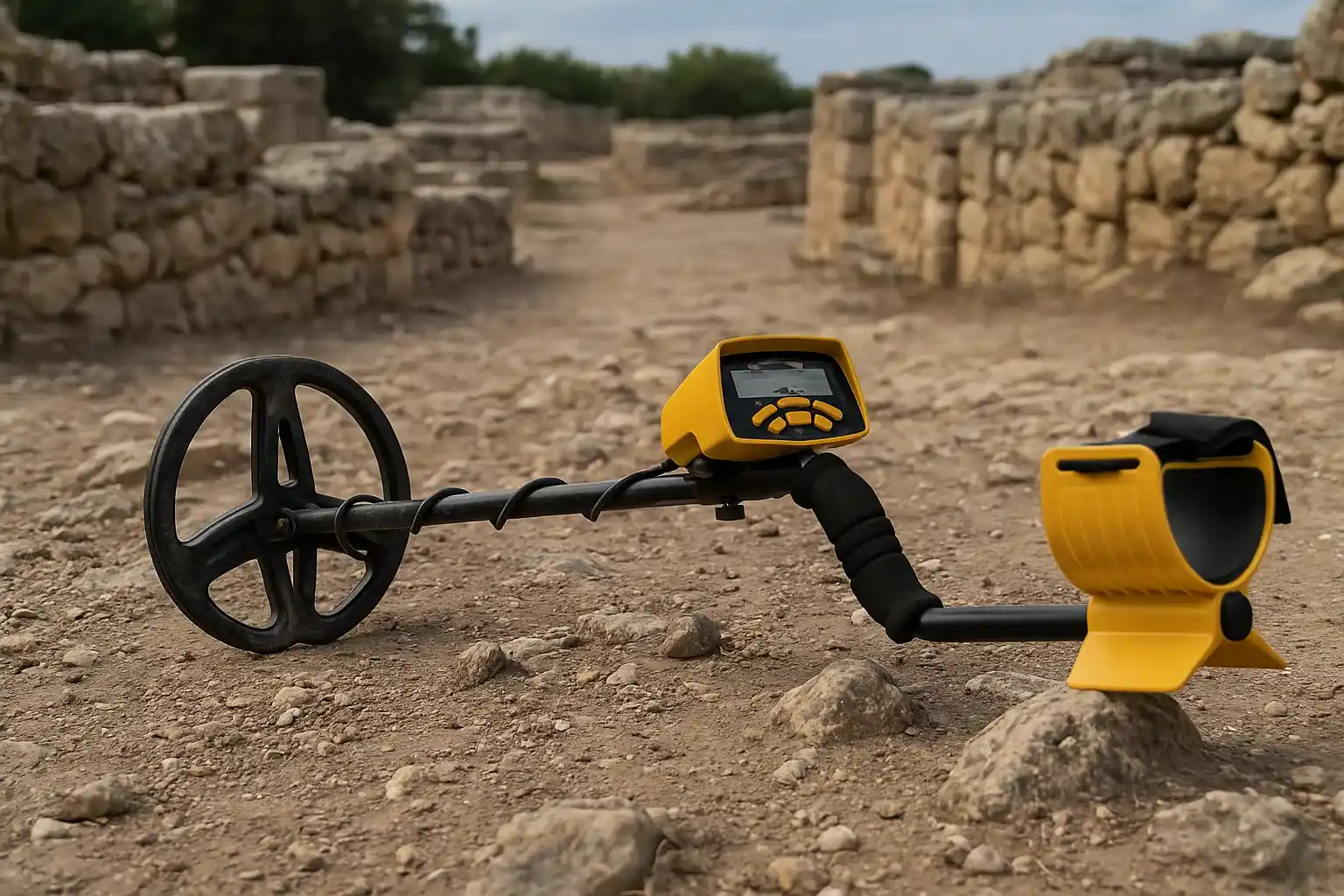
The use of metal and gold detectors has grown in popularity over the past few decades, not only among hobbyists but also among professional treasure hunters. While these machines are incredibly powerful tools for finding coins, jewelry, and even historical artifacts, the question of whether detectors can be used safely in archaeological preservation zones is an important one. These zones are areas specifically protected due to their cultural, historical, and scientific significance. Misuse of technology in such places could damage irreplaceable heritage, but under the right conditions, detectors can be helpful rather than harmful.
Understanding the Role of Detectors in Archaeology
Metal and gold detectors are highly sensitive machines designed to pick up even the smallest traces of metallic objects underground. They are frequently used by enthusiasts searching beaches, fields, or designated public lands. However, their role in archaeology is far more delicate. Preservation zones exist because they house artifacts, structures, or remains that carry historical value. In these contexts, a detector is not simply a hobbyist’s toy—it becomes an archaeological instrument that must be used with extreme care.
When handled correctly, detectors can actually complement archaeological work. They can help pinpoint objects before excavation, allowing experts to dig with precision and avoid damaging the surrounding area. However, unregulated use by amateurs poses a risk. Unauthorized digging or careless handling can strip away vital historical context, making it impossible for experts to study the artifact in its original setting.
The Legal and Ethical Perspective
In most countries, strict regulations exist about using detection equipment in archaeological preservation areas. Unauthorized detecting can lead to fines, confiscation of equipment, or even criminal charges. This is because each unearthed item, no matter how small, carries a story that contributes to understanding human history. Removing it without proper documentation is essentially erasing part of that story.
That said, archaeologists themselves do sometimes rely on detection equipment. Advanced tools, including the modern gold detector machine, have been used in controlled digs to identify objects before careful recovery. The difference lies in how these tools are used: trained experts document every step, ensuring discoveries are preserved and studied rather than simply collected.
For hobbyists, the safest and most ethical approach is to respect restricted areas and focus on places where detecting is permitted. Joining local detecting clubs, volunteering on supervised digs, or working under the guidance of archaeological teams are excellent ways to pursue the passion without crossing legal or ethical boundaries.
The Risks of Misuse
The dangers of using detectors irresponsibly in protected areas go beyond simply breaking the law. When artifacts are pulled out hastily, they lose their context. For archaeologists, context is everything—it reveals how an object was used, who used it, and what role it played in society. A coin, for instance, discovered in the corner of a dwelling site tells a different story than one found in a burial ground. Without proper recording, this context disappears forever.
Additionally, careless digging can physically destroy delicate structures like ancient foundations, burial sites, or ceremonial artifacts. This is why archaeologists often stress that finding an artifact is only part of the story; preserving its place in history is equally important.
Responsible Use of Technology
Despite the risks, it would be unfair to say detectors have no place in archaeology. When incorporated responsibly, they are valuable tools. Detectors can help map out metal concentrations across a site, guide excavation strategies, and even assist in public education when used in demonstration digs.
What matters most is responsibility. Hobbyists can enjoy detecting in designated areas without venturing into protected sites. For those truly interested in archaeology, training opportunities exist to learn how to use detectors in ways that add to scientific knowledge rather than subtract from it.
Final Thoughts
So, can detectors be used safely in archaeological preservation zones? The answer is yes—but only under professional supervision and within legal guidelines. While hobbyists may be tempted by the thrill of discovery, these protected zones are not the place for independent exploration. They represent humanity’s shared heritage, and preserving them requires discipline and respect.
Detectors are powerful tools that, when used properly, can help unlock pieces of history without destroying them. But like any tool, they require the right hands and the right intentions. For enthusiasts, the best path is to enjoy detecting in open and legal areas, while leaving archaeological preservation zones to trained professionals who can ensure that discoveries benefit not just one person, but society as a whole.
