






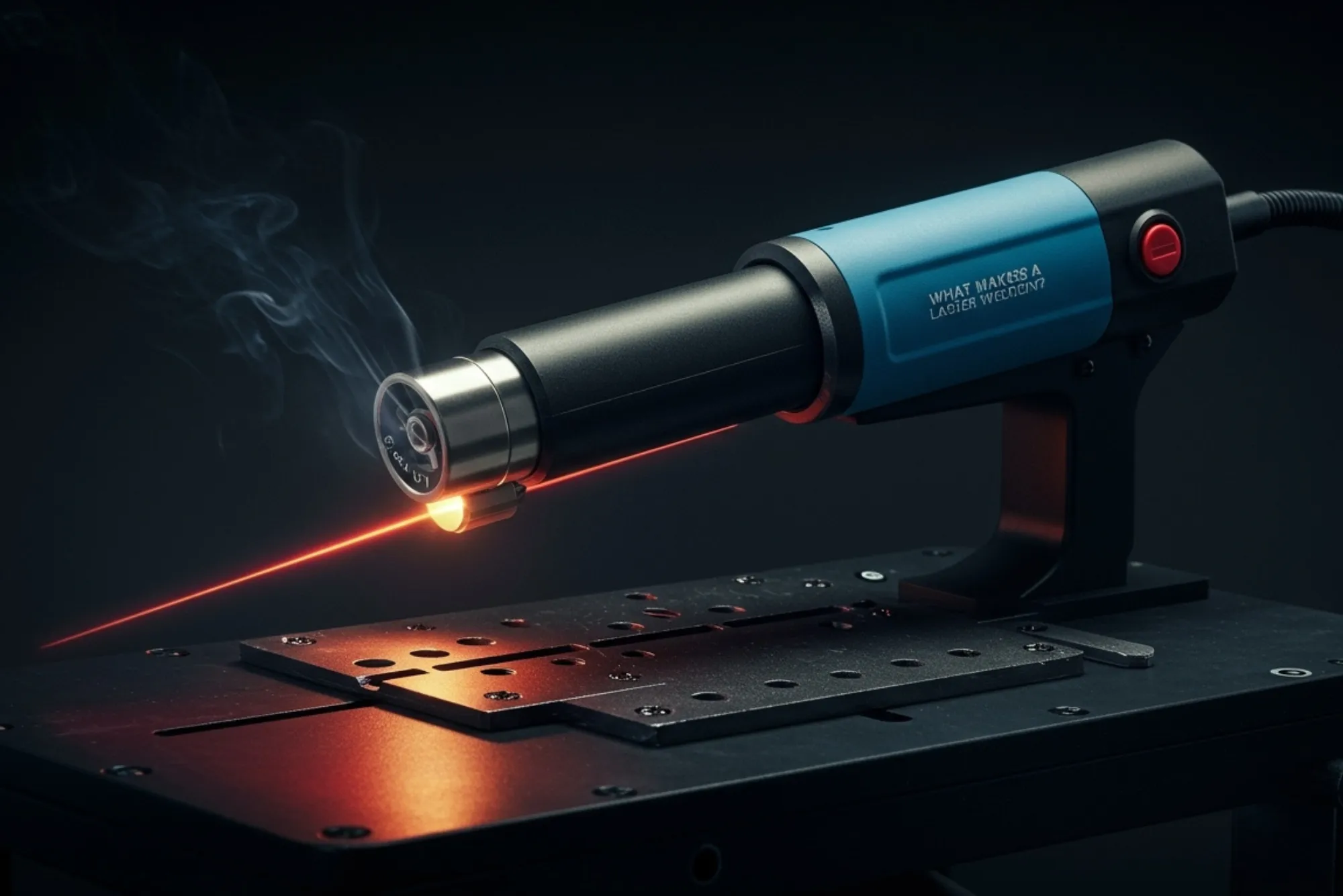
When people think of welding, they often imagine bulky machines, noisy workshops, and intense sparks. But modern industries are changing fast, and so is welding technology. One of the biggest game-changers in recent years is the handheld laser welder. Unlike traditional arc or MIG/TIG welding systems, a handheld laser welder is compact, energy-efficient, faster, and designed for both professionals and small-scale operators who need clean, precise joints without heavy setup.
Instead of melting metal with electrodes, the handheld laser welder uses a high-energy laser beam to heat and fuse metals together. This provides a cleaner, deeper, and more controlled weld with minimal distortion. Whether you’re assembling stainless steel furniture, repairing automotive parts, or working on jewelry, this tool offers a new level of flexibility.
Why Industries Are Switching to Handheld Laser Welding
The biggest advantage of a handheld laser welder is speed. Traditional welding methods require cleaning, edge preparation, and a skilled hand to avoid burn-through or disfigured welds. A laser welder, on the other hand, offers up to four times faster performance, especially when you don’t need filler wire.
Beyond speed, users appreciate the minimal post-processing required. The welds are smooth, narrow, and almost polish-free. In most cases, grinding or sanding is reduced dramatically, which means fewer labor hours and better output consistency. That’s exactly why sectors like HVAC, automotive restoration, metal fabrication, and even home-based repair shops are investing in this machine.
How Handheld Laser Welding Improves Quality
One of the reasons this technology is considered superior is the controlled heat input. Traditional welding overheats the material, causing warping or discoloration. Laser welding concentrates heat in a very precise zone, so the surrounding surface stays unaffected. The result is a cleaner weld that maintains the visual and structural integrity of the metal.
This feature is especially useful in industries where product finish matters. For example, luxury kitchen equipment makers and stainless-steel railing installers rely on handheld laser welders because the weld line is nearly invisible after a quick polish. Even thin and reflective metals like aluminum can be welded without constant burn-through issues.
The Role of Laser Cleaning in Welding Projects
A powerful advantage of investing in laser welding is that many models come with laser cleaning functions. Before welding, metal surfaces often contain rust, paint, oil, or oxidation layers that can weaken weld strength. Laser cleaning removes these impurities using a concentrated beam without chemicals or abrasives. It prepares the surface in seconds, making welding cleaner, stronger, and more reliable.
Some workshops even buy standalone laser cleaning machines to restore old parts, remove coating layers, or prepare surfaces for painting. But the real benefit appears when both technologies are combined in one device. Instead of sandblasting or chemical dipping, handheld laser welders with cleaning mode allow faster, eco-friendly surface preparation and joining in one workflow.
Where Handheld Laser Welders Are Used in Real Life
In my experience, the most common users of handheld laser welders fall into three categories:
-
Small metal workshops – where flexibility matters more than fully automated machines.
-
Fabricators and installers working on-site – because the portable nature of the welder reduces transportation and setup time.
-
Repair and restoration experts – from vintage car parts to agricultural machinery and stainless railings.
For example, a stainless-steel gate fabricator previously spent long hours correcting weld marks and discoloration after TIG welding. After shifting to a handheld laser welder, the company reduced finishing time by almost 50% and started taking more orders with the same workforce.
Another example comes from a car restoration shop where thin sheet welding was always a challenge. The laser welder allowed them to repair panels without holes, cracks, or over-melting, saving rare car parts that would otherwise need replacement.
Cost, Training, and Maintenance: Is It Practical?
A common question is whether handheld laser welders are expensive. Yes, the price is higher than a basic stick or MIG machine, but the cost is justified when you factor in reduced labor, no filler wire, less finishing work, and long-term durability of the machine. Most industrial-grade models can run for tens of thousands of hours without major servicing.
Training is also easier than people expect. Unlike traditional welding that requires high skill and steady control, handheld laser welding has a shorter learning curve. Operators can master straight seams, corner joints, and overlapping welds within a single afternoon of practice.
Maintenance mainly involves lens cleaning and safe storage. No electrode replacement, no gas variation issues, no spatter cleaning. Just plug in, select power levels, and weld.
Safety and Power Requirements
Even though it is safer than open-flame processes, laser welding still requires eye protection and awareness of reflective metals. Modern machines include auto-shut sensors, temperature control, and built-in gas assist (usually argon) for weld purity. Power supply varies by model, but most machines run on 220V, making them suitable for workshops and on-site mobile workstations.
Handheld Laser Welding vs Traditional Welding – Which One Wins?
If you’re welding thick pipes or structural beams outdoors, arc welding still has a place. But for stainless steel, aluminium, carbon steel, titanium, and precision components, laser technology is miles ahead—especially when surface appearance, accuracy, and speed matter.
Traditional methods require filler materials, electrode tips, slag removal, polishing, and sometimes re-welding. A laser welder does the job in one pass, and laser cleaning ensures strong bonding from the start. When both tools are combined in a single device, the workflow becomes fully optimized.
Final Thoughts: Should You Buy a Handheld Laser Welder?
If your business depends on clean joints, fast production, and reduced finishing labor, then yes — a handheld laser welder is absolutely worth considering. It replaces several old processes at once: pre-cleaning, welding, grinding, and polishing. Add laser cleaning to the mix, and you get a complete surface-to-finish metal solution.
The real value is not just the welding technology itself, but the time and material it saves over the long run. The shift is already happening across industries, and those who adopt early are enjoying faster production and better client results.
