
Selecting the proper desk is not only about material or color, but also about the shape, more than most people might think. The structure of your desk determines where you go, the thoughts you possess, and how you work in a day. Different work zones, including focus zones and collaborative workflows, can only be effective with correctly shaped desks.
All systems have distinct purposes attached to them through their configuration. Knowledge of the role of desk shape in working habits, space constraints, and office design can be used to design a workspace that functions.
Smart Use of Corners
L-shaped desks are a good choice when individuals combine numerous tools or require specific areas to work with digital and manual materials. Their design naturally creates two working regions of the workspace, but you are not physically separated.
The reason behind the fact that they work is that it appeals to simplicity.
- Use corners as much as possible
- Perfect for a dual monitor setup or write + screen-by-screen tasks
- Permit more surface without crowding the room
These are also very helpful in a home office or smaller rooms where a good use of corners needs to be made.
As we move on to the next shape, mentioning how layout relates to comfort is interesting. Combining an appropriate layout with an adjustable height desk can improve the posture and productivity of many professionals, particularly those with long hours or high screen time.

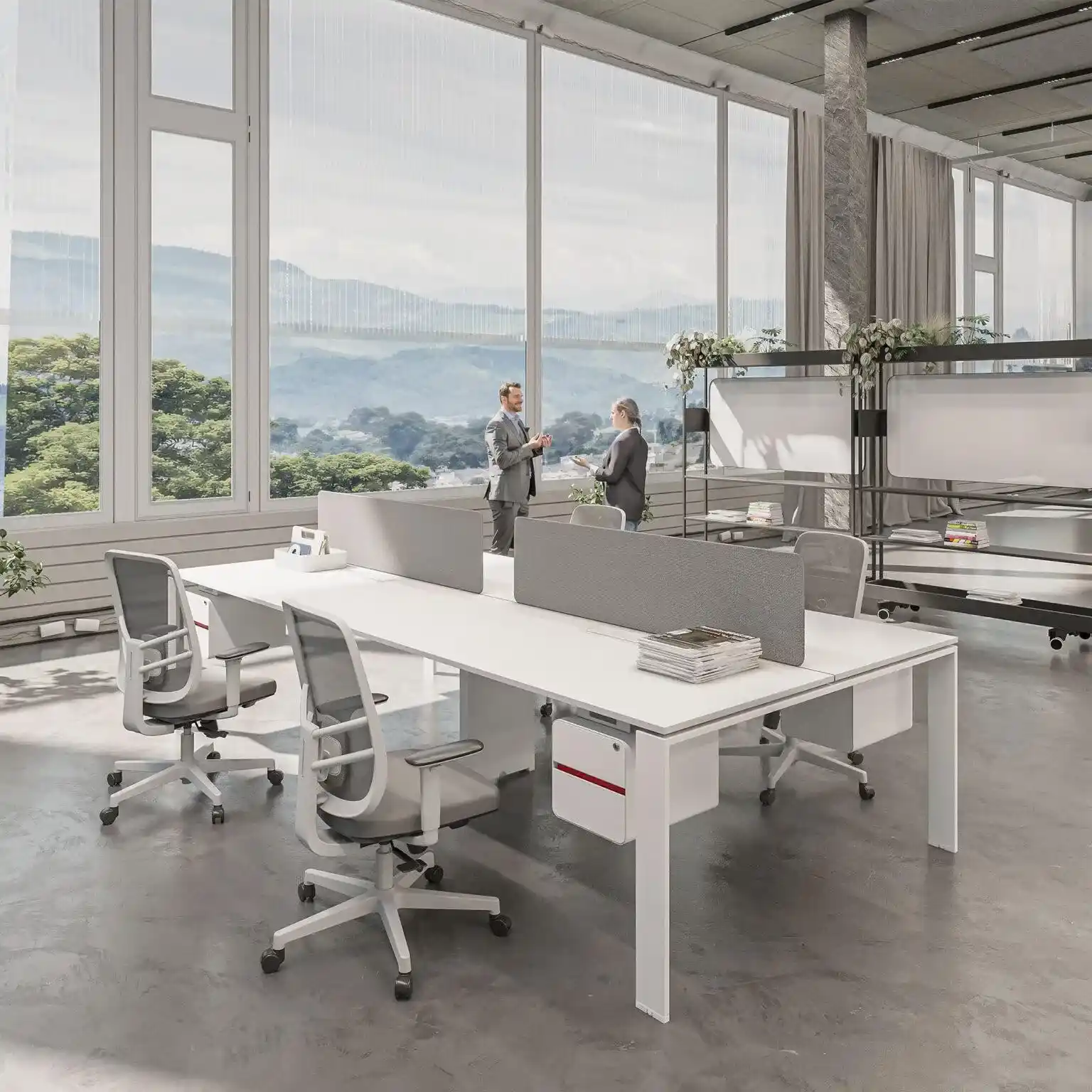
A Layout That Surrounds You
U-shaped desks have a cockpit-like setup, making them more appropriate for jobs that require central access to several surfaces, such as designers, analysts, or planners. These provide three-sided access to allow resources such as tools, screens, and paperwork to be within arm’s reach.
Benefits include:
- Natural split of work (e.g., meetings and working on different sides)
- An ideal choice for users with high demands for the surface area
- Serves fluent executive or personal use layouts
This design might involve occupying more floor area, but the unbeatable control and continuity well compensate for this.
When Simplicity Is Enough
A standard straight desk will satisfy professionals who prefer simplicity. It is good for specialized work, writing, or a lean digital environment.
Best for:
- Smaller offices or main open-plan offices
- Workers who appreciate decluttering their surroundings
- Minimalist design lovers who desire functionality, that feeling, rather than an abundance of clutter
Most minimal straight tables can feel very productive and purposeful when combined with an appropriate seat and light.
Shape That Supports the Team
A desk’s shape is not just about its surface area on the floor; it directly affects the efficiency of your work. An adequate shape assists in controlling time management, minimizing movement, and finding focus. Mismatched colors can mess up the eyes of even the most appealing desk.
In open offices, the proper workstation design is also essential. Desks or pod-type stations are rounded in shape to:
- Maintain sufficient distance among individuals in your support group.
- Consider lighting, electrical outlets, and the arrangement of the floor layout.
- Reduce clutter and simplify communication.
A well-designed workplace environment can promote team communication and avoid redundancy or division of attention, essential in most innovative or technology-driven teams.
Design That Moves Naturally
Curved desks, frequently inward-curving, have the ergonomic advantage of reducing the distance between the user and the work surface. This design will improve the comfort level and not aggravate the aesthetic factor.
What they share:
- Lessening strain, less reaching
- Graphically, a more benign version of desks with angles
- Fashionable to suit an artistic/contemporary office
These shapes are more than a matter of appearance; they are a deliberate decision to be comfortable and flow.
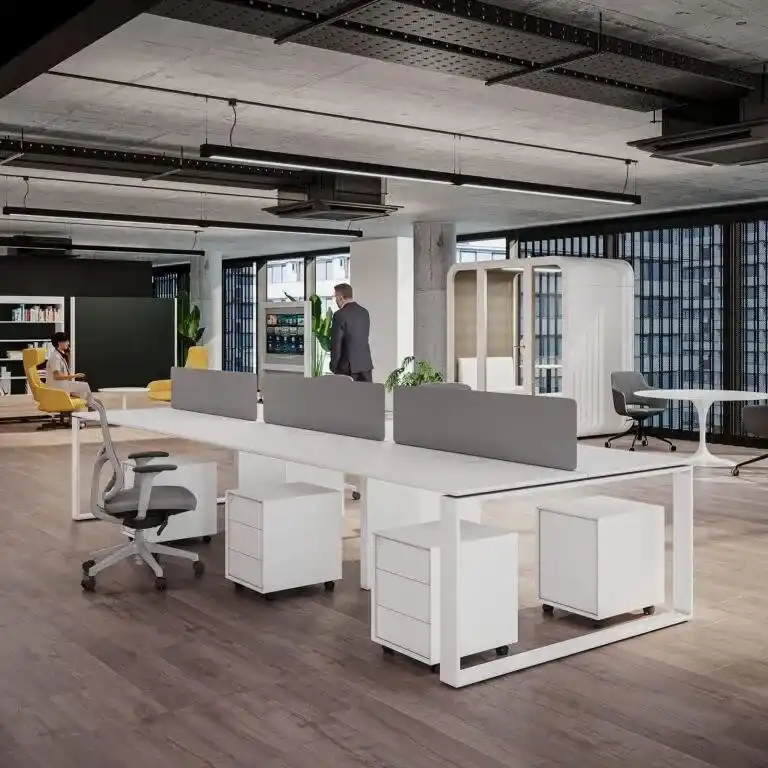
Smart Use of Space
Some desk shapes incorporate tiered surfaces as free-standing shelves, monitor risers, or incorporated extensions. These minor adjustments can:
- Enhance the visual separation of tasks
- Improve and rectify posture as well as screen positioning
- Make use of vertical space without taking up additional floor area
It is a beneficial strategy when the space is limited, yet needs to be used in multiple ways.
More Than Just Furniture
The most excellent workspaces do not reflect trends but functionality. Shape is a full-fledged part of the workflow rather than the aesthetic. Companies such as Urban 411 are creating desks with that philosophy, not to fill a room, but to create how it will be used. The L-shaped, modular, or any other kind of office layout that is most suitable depends on the work performed in the office and on the individual carrying out that work.
